
Multi-chain assets
Different networks have separate states, fee assets and confirmation paths. Verify the network and address context before moving value.
imtoken
A multi-chain wallet, blockchain network and Web3 knowledge hub from imtoken
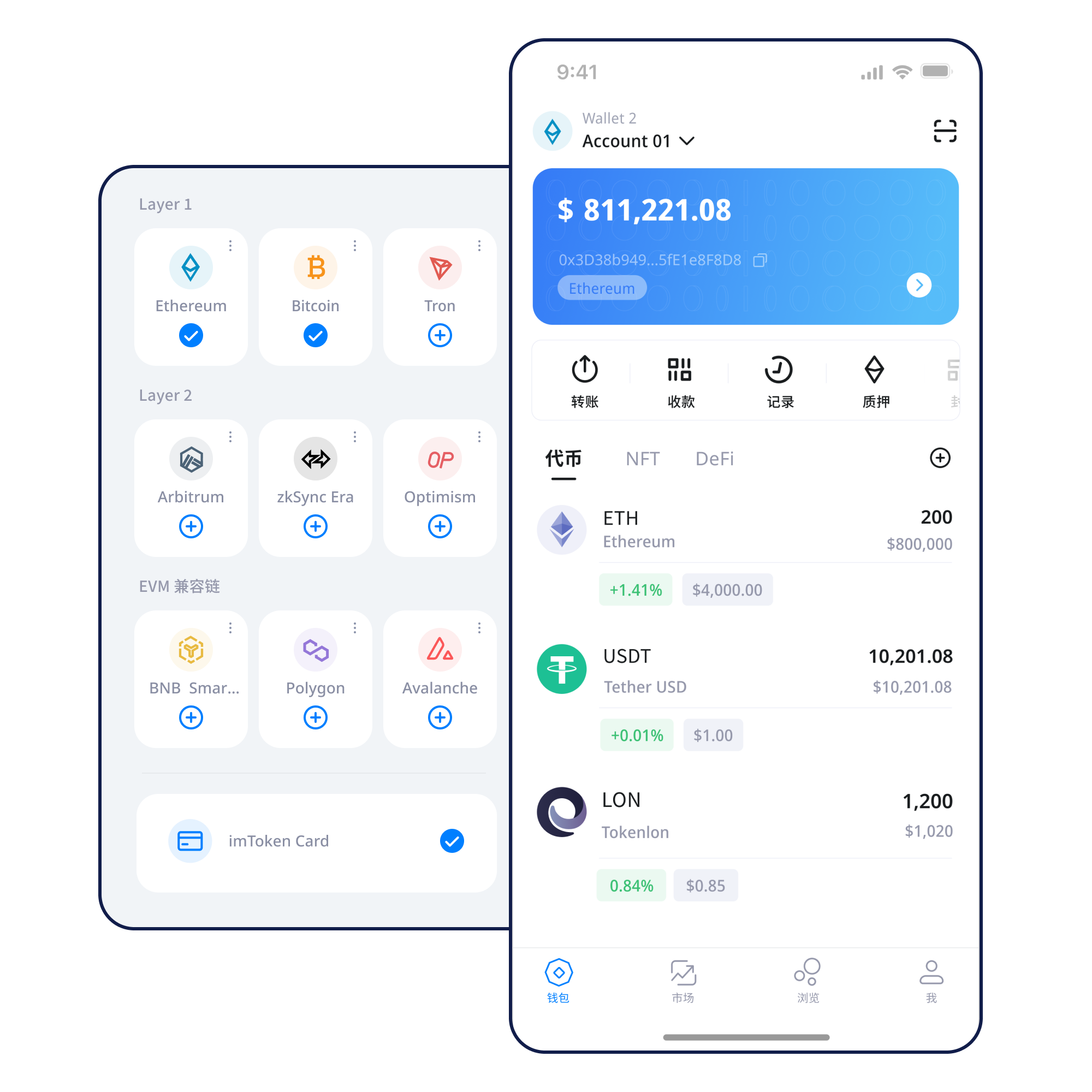
Manage assets across networks, choose the intended chain before sending or receiving, review gas and confirmation details, and connect to DApps with a clear understanding of signatures and approvals. imtoken combines practical wallet guidance with network knowledge and security education so each action can be checked before and after it reaches the blockchain.
Quick paths
Understand what a new wallet creates and what you must protect from the first step.
Open guide →02Back Up a WalletKeep recovery information offline and private, then verify that your backup can be understood later.
Open guide →03Receive AssetsConfirm the receiving address and network before sharing payment details.
Open guide →04Send AssetsReview destination, network, amount, gas and transaction details before confirming.
Open guide →05Connect to a DAppVerify the domain, account request, signature and approval scope separately.
Open guide →Wallet capabilities
Different networks have separate states, fee assets and confirmation paths. Verify the network and address context before moving value.
Check receiving address, network, amount, gas and transaction hash as a continuous flow.
Read guide →Manage networks, view assets and review transaction records from a mobile workflow.
Browser-based connection guidance focuses on account requests, approvals, DApp access and disconnecting sessions you no longer need.
Keep recovery secrets private and review every external request separately.
A multi-chain wallet can present assets from several networks, but each network still has its own ledger state, fee rules and confirmation path. The same-looking address does not merge those networks.
Public chains rely on distributed network participants to validate and record state changes. Block explorers help users verify where a transaction was included and how many confirmations followed.
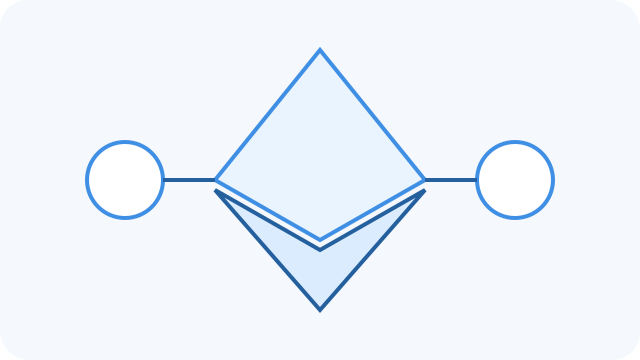
EVM-compatible networks share execution concepts such as contract calls and gas, yet they remain separate networks with separate assets and fee conditions.
Moving between a Layer 2 and its settlement network can involve bridges, waiting periods and different confirmation checkpoints. Read the route before moving assets.
Fees can change with network demand and transaction complexity. A successful broadcast is not the same as final confirmation, so keep the transaction hash for verification.
Wallet journey
Use the official download entry and review the product page before installation.
Understand whether you are creating a new account or restoring an existing one.
Keep seed phrases and private keys offline; never send them to another person.
Confirm the intended network before sharing an address or preparing a transaction.
Review address, network, amount and gas before signing.
Keep the transaction hash, check the on-chain result and remove approvals you no longer need.
Web3 & DApp
Each connection, signature and approval is a separate decision. A connected wallet does not mean every later request should be accepted.
Open the Web3 guide →Security
Seed phrases and private keys should remain under your control. Avoid screenshots and public devices, be cautious with cloud backups, verify domains and transaction details, and treat third-party DApps and smart contracts as independent risk sources. No support process should require you to disclose a seed phrase or private key.
Open Security Center →Academy
Start with addresses, seed phrases, private keys and network selection, then move to gas, transaction hashes, DApps and approvals. These concepts form one practical chain of reasoning: identify who controls the wallet, where an action will happen, what it may cost, what permission is being requested and how to verify the final result.
Read the beginner guide →Understand the concept, its practical use and what to verify.
GuideEVM & smart contractsUnderstand the concept, its practical use and what to verify.
GuideLayer 2 basicsUnderstand the concept, its practical use and what to verify.
GuideDApp approvalsUnderstand the concept, its practical use and what to verify.
GuideWallet securityUnderstand the concept, its practical use and what to verify.
GuideBlockchain glossaryUnderstand the concept, its practical use and what to verify.
Ethereum
Ethereum uses proof of stake, where validators perform protocol duties and may receive network rewards. Reward levels, validator state, withdrawal mechanics and exit timing can change with network conditions and protocol rules.
Learn staking basics →Updates
Review wallet functions and current usage guidance before starting a new workflow.
Network congestion and confirmation timing can change; keep the transaction hash for verification.
Seed phrases, private keys and verification codes should never be disclosed to another person.
Third-party services can have independent terms, risks and availability conditions.
Review token allowances periodically and consider revoking permissions you no longer need.
FAQ
imtoken presents multi-chain asset management, network usage, Web3 connections and wallet security knowledge. Users remain responsible for protecting their own seed phrases and private keys.
Prefer an offline, private and durable backup method. Do not send a seed phrase through chat, email or public cloud documents, and never give it to someone claiming to be support.
Both are highly sensitive control credentials. Implementations vary, but the key principle is the same: someone who obtains them may gain control over the corresponding on-chain assets.
The same asset name can exist on multiple networks and addresses may look similar. A network mismatch can prevent assets from arriving where you expect.
Gas measures the computational resources used by a transaction or smart-contract action. The final fee depends on network rules, transaction complexity and congestion.
A transaction hash is an important on-chain reference that can be used in a block explorer to check status, block data, sender, recipient and execution results.
After broadcast, a transaction has to be included by the network and may need additional confirmations. Congestion, fee settings and block timing can affect the wait.
imtoken
Use the unified download entry. Review network, address and request details before any transfer, signature or approval.